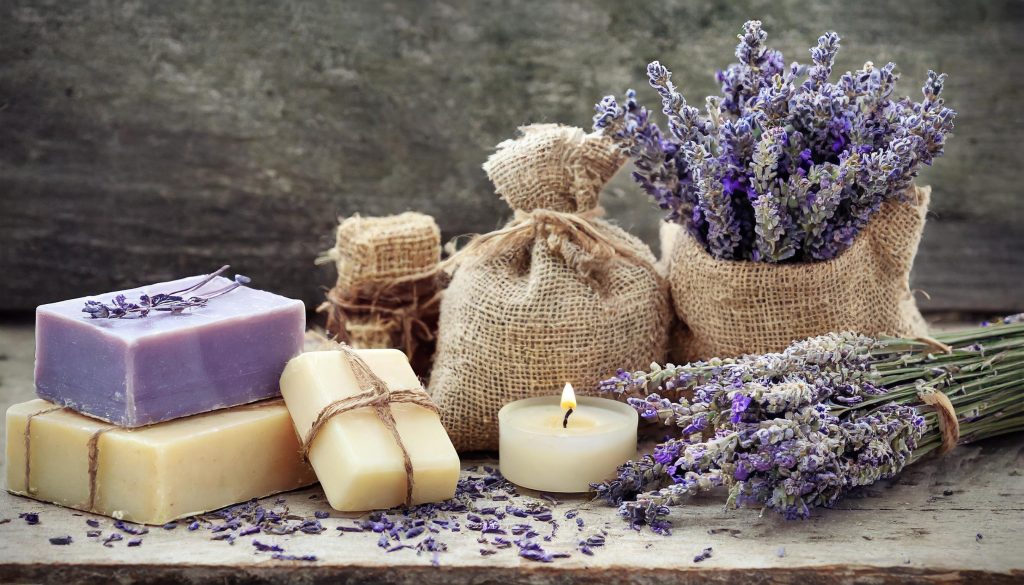
In recent years, there has been a growing interest in handmade natural soaps as people become more aware of the products they use on their bodies. Traditional soap making techniques have been revived and we artisans now create soaps in small batches using natural ingredients that are kind to our skin and the environment. This trend is not just a passing fad; represents a shift towards a more sustainable and healthier approach to skin care.
Handmade natural soaps offer many benefits that commercial soaps simply cannot match. By choosing these handcrafted creations, you're not only treating your skin to a luxurious experience, but you're also supporting local artisans and small businesses. In addition, these soaps are free of harsh chemicals and synthetic fragrances, making them suitable for even the most sensitive skin types.
The benefits of using handmade natural soap
When it comes to natural soap, the benefits are plentiful. First, these soaps are gentle and moisturizing. Traditional soap making methods involve combining natural oils and butters such as olive oil, coconut oil, shea butter, almond and castor oil to create a nourishing lather that cleanses the skin without stripping it of its natural moisture. This means you can enjoy thorough cleansing without worrying about your skin being dry or irritated.
In addition to their moisturizing properties, handmade natural soaps are often infused with botanical extracts and essential oils. These ingredients offer a range of skin care benefits, from beneficial and soothing properties to anti-inflammatory and antibacterial effects. Depending on the ingredients used, natural soaps can help with a variety of skin problems such as acne, eczema and dryness. In addition, the aromatic scents of essential oils add a wonderful sensory experience to your daily bathing routine.
Ingredients to look for in handmade natural soap
When shopping for handmade natural soap, it is essential that you understand the ingredients used. Look for soaps that are made with vegetable oils and butters, as they moisturize and nourish the skin. For example, olive oil is rich in antioxidants and vitamin E, making it an excellent choice for dry and mature skin. Coconut oil, on the other hand, creates a creamy lather and has antibacterial properties.
Botanical extracts and essential oils are other ingredients to look out for. Lavender, chamomile and calendula are known for their soothing properties, while tea tree and eucalyptus oil have natural antibacterial and antifungal effects. Each ingredient brings its own unique benefits to the soap, so choose the one that suits your skin's needs.
How handmade natural soap is made
The process of making handmade natural soap is a labor of love. Carefully selected quality ingredients are combined with a cold process. This method involves mixing oils and butters with an alkaline solution, such as lye, which undergoes a chemical reaction called saponification. This reaction turns the mixture into soap while the lye is completely consumed, leaving behind a gentle and nourishing product.
Once the soap is made, it is poured into molds and left to sit for several weeks. This curing process allows the soap to harden and ensures that any excess moisture evaporates, resulting in a longer lasting piece. When the soap hardens, it is cut into pieces, wrapped and ready for use.
Choosing the right handmade natural soap for your skin type
With so many options available, it's important to choose a handmade natural soap that suits your skin type. If you have dry or sensitive skin, look for soaps that are enriched with moisturizing oils such as shea butter, avocado oil, or almond oil. These ingredients will provide the hydration your skin needs, leaving it soft and supple.
For oily or acne-prone skin, consider soaps that contain ingredients such as lavender oil, tea tree oil, activated charcoal or clay. These ingredients have natural antibacterial properties and can help control excess oil production while detoxifying the skin.
If you have normal or combination skin, you have the luxury of experimenting with different types of soaps. Try lavender or chamomile soaps for a soothing experience, or opt for citrus-scented soaps for a refreshing cleanse.
Tips for effective use of handmade natural soap
To get the most out of your handmade natural soap, follow these tips:
1. Wet your skin before lathering the soap. This allows the soap to create a rich lather and spread evenly over the body;
2. Gently massage the soap into the skin in circular motions. This not only cleanses, but also improves blood circulation;
3. Rinse thoroughly with warm water to remove all traces of soap. Avoid using hot water as it can strip the natural oils from the skin;
4. After use, store the soap in a well-drained soap dish or container. This will help it dry between uses and extend its life;
5. Use a soap saver bag to extend the life of your soap. This supplement creates a rich lather and exfoliates the skin at the same time.
Support for local artisans and nature
By embracing handmade natural soap, you're not only benefiting your skin, you're also supporting local artisans. As soap makers, we infuse our passion and expertise into each soap, creating unique and high-quality products that stand out from mass-produced alternatives. By purchasing our soaps, you contribute to our survival and help preserve traditional soap-making techniques for future generations. In addition, the ingredients of natural soap are biodegradable and do not pollute water or the environment when discharged into the sewer. Instead of contributing to environmental pollution with plastic and chemicals, the simple act of using natural soap can help keep the environment clean and support the local community.
DIY recipes for making your own handmade natural soap
For those who enjoy a hands-on approach, making your own handmade natural soap can be a rewarding experience. With a few ingredients and a few basic tools, you can create personalized soaps tailored to your preferences. In the following articles, I will reveal to you simple and proven recipes that will help you make your own soap. You can also check out my Instagram and TikTok account, where I regularly post videos of my creations.
Conclusion: Embrace the beauty of handmade natural soap
In a world saturated with mass-produced products, handmade natural soaps offer a refreshing alternative. Not only do they provide a luxurious and sensory experience, but they also nourish and condition your skin in a way that commercial soaps cannot. By supporting local artisans and small businesses, you contribute to a more sustainable and thoughtful approach to skin care. So, the next time you step into the shower, reach for a bar of handmade natural soap and immerse yourself in the natural beauty that surrounds us. Your skin will thank you.
 EN
EN  SI
SI